

Rhinoplasty is probably the most difficult cosmetic surgery of Plastic Surgery. The difficulty does not lie in the performance of the surgery by a plastic surgeon but in the fact that the three basic principles of plastic surgery must be strictly followed, in order for us to consider it successful:
-
The visible result of the operation must not be noticed by those around us and our nose must be a natural continuation of the rest of the face.
-
By the surgery the physical function of the nose must be restored, that of normal breathing and smelling.
-
The results of the surgery must be natural on sight and to last in time. Furthermore no signs of surgical intervention should be visible.
Besides the aesthetic importance of the nose on a human face, the nose is also the only functional organ concerning the human functions of correct breathing and normal smelling. Any rhinoplasty performed, should correct functional issues of the nose, that is to say breathing and smelling (functional rhinoplasty).
Modern functional rhinoplasty regards the restoration of both the aesthetic outcome of the nose and its functionality. They are both equally important and thus during the same operation all the abnormalities of the nose should be corrected.
Nose anatomy
The nose consists of the nasal bones, cartilage of the nose, (upper and lower oblique), as well as internal structures, the nasal septum and turbinates (lower turbinates - Concha nasalis inferior). Bone parts and cartilaginous parts of the nose are covered by skin.
In rhinoplasty aesthetic deformity can involve any of these anatomical parts of the nose, a combination or even all of them.
Diagnosis
Proper and successful rhinoplasty always begins with the correct diagnosis. Due to the fact that every nose is different, no rhinoplasty operation should be performed in the same manner, as each person, each nose and each anatomic problem is unique.
During the diagnosis it should be estimated what is the fundamental problem of aesthetic deformity of the nose as well as whether there are functional breathing problems (deviated septum, hypertrophy the turbinates, polyps existence). Besides review and palpation during physical examination, we also perform endoscopic rhinoscopy for disclosure or not-of pathological internal structures of the nose, eg (crooked nasal septum, hypertrophic turbinate, nasal polyps– fractures and more).
In very complex cases additional radiological examination may be necessary (CT)
In the end by the use of the photographic material we explain to the patient the main problem and how it can be improved.
Rhinoplasty techniques
Usually there are two rhinoplasty techniques, Close Rhinoplasty and Open Rhinoplasty.
Both methods have pros and cons, though nowadays the open method has prevailed almost all over the world.
Close Rhinoplasty
The operation is performed through the inner nose area without an external incision. The method has prevailed the last decade. It has the advantage of no external inciosions and faster recovery time.
The disadvantage of Close Rhinoplasty is that a very wide variety of aesthetic deformities cannot be corrected by this technique due to the limited surgical manipulations that can be performed.
Open Rhinoplasty
It is the method that has prevailed in major centers around the world. Through a tiny incision at the bottom of the nose, the bony skeleton and the cartilaginous skeleton of the nose are revealed.
Due to a direct access to all the anatomical landmarks of the nose, any aesthetic or functional anomaly is corrected up to 100%. This is the major advantage of this technique and has been established in modern Plastic Surgery by the saying: “What closed rhinoplasty does not correct, open rhinoplasty does”.
As for the tiny incision, it causes no aesthetic problem and after some time is not even visible.
Nasal septum
The nasal septum is an osteochondral petal (lamina) which separates the right from the left nasal cavity.
Any inclination towards to one or the other side of the nose cavity prevents normal breathing (Scoliosis).
However, many times the nasal septum beyond the functional abnormality (breathing)might also cause aesthetic deformities (crooked big nose, nasal hump, etc.).
Nasal Turbinates
Bony anatomic structures on each side of the nasal cavity wich are coated with mucous.
Any hypertrophy of the turbinates causes breathing problems and in most of the cases is associated with a scoliosis of the nasal septum.
Implants in Rhinoplaplasty
In many cases, we cannot perform Reduction Rhinoplasty (cartilage and bone removal) in order to make a nose smaller, due to the large scale of aesthetic nose deformities. Frequently we might need to increase a nose part and at the same time decrease another in order to achieve the perfect outcome. We might need to grow a short nose or widen a narrow one.
In general the principle of modern rhinoplasty is to rebuild the ailing nose in order for the internal structures to have a normal shape and to last in time (Foundation Rhinoplasty).
This is done by the use of cartilage implants which if necessary are used to the same nose (nasal septum) and in more difficult cases (of the ear flap, lateral cartilage temporal area) depending on the aesthetic deformity.
The use of cartilage implants is a necessary tool in modern rhinoplasty. Plastic Surgeons who are not familiar with the use of cartilage implants have a limited range of surgical technique without being able to provide natural result in a rhinoplasty operation that is slightly out of their area of expertise.
Modern Rhinoplasty
Is an operation during which, after a thorough diagnosis, we correct the functional problems of the nose (breathing - smelling) and simultaneously we restore any aesthetic deformity.
The plastic surgeon who knows Rhinoplasty techniques can restore any aesthetic or functional nose problem that has arisen whether this concerns the first rhinoplasty surgery, surgery after trauma or after a previous unsuccessful rhinoplasty.
Rhinoplasty Surgical Operation
It is performed under general anesthesia and after a thorough preoperative clinical laboratory testing.
The duration of the surgery is between 1:30 - 2 hours, during which the surgeon restores both aesthetic deformities of the nose and any functional problem.
At the end of the operation a small splint immobilizes and protects the operated nose.
The patient leaves the hospital on the same day.
Postoperative procedures
The patient usually presents some bruises and a small swelling around the nose which gradually subside in 5-7 days, namely when the splint and sutures are removed.
The patient returns to work in 6-7 days. The result of rhinoplasty is immediately visible after removing the splint.
However, the nose will be swollen for 2-3 weeks after surgery and we will have the final outcome in 4-6 months after the initial surgery.
Complications
Rhinoplasty complications can be divided to direct: those that can occur immediately after surgery, such as bleeding, infection and to those which occur sometime after the surgery such as: Aesthetic deformities (ie. An unsuccessful rhinoplasty) which are related to the bony skeleton of the nose (V deformity) or Supratip deformities Pinched nose deformities, breathing difficulties or a combination of the above.
In general, all the complications described above are not common to experienced Plastic Surgeons who use modern techniques. Today by the use of the open rhinoplasty technique, the use of implants and internal sutures, we are able to achieve an excellent aesthetic result without complications.
In general
Rhinoplasty might seemingly be an easy procedure, but if performed by inexperienced plastic surgeons can cause unexpected complications.
Modern plastic surgeon must be capable of providing a natural, long lasting outcome, restoring any aesthetical and functional issues. Furthermore, his intervention should not be visible by others, he must be familiar with open techniques and , if necessary, he must be able to use any portion of the nose or any other part of the body for receiving implants in order for the result to be flawless, natural and durable.
In Vk Institute of Aesthetic and Plastic Surgery the scientific experience that Dr Kretsis has in very difficult and complex rhinoplasty problems is the guarantee for a natural effect that lasts over time.
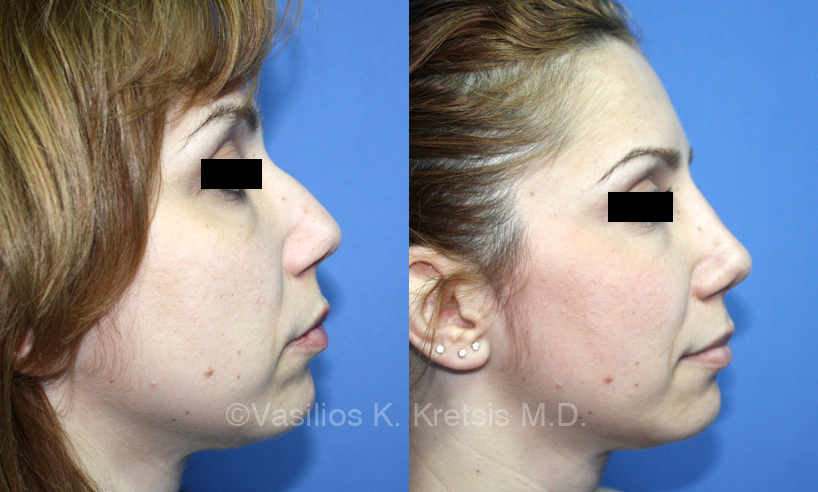
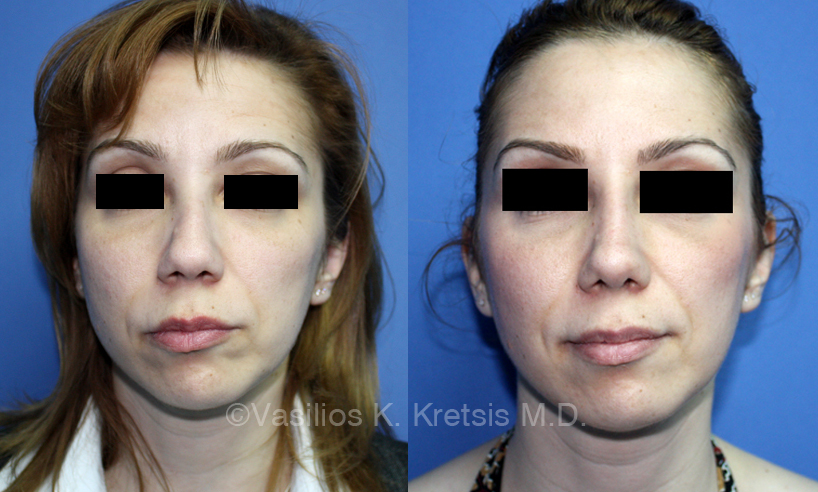
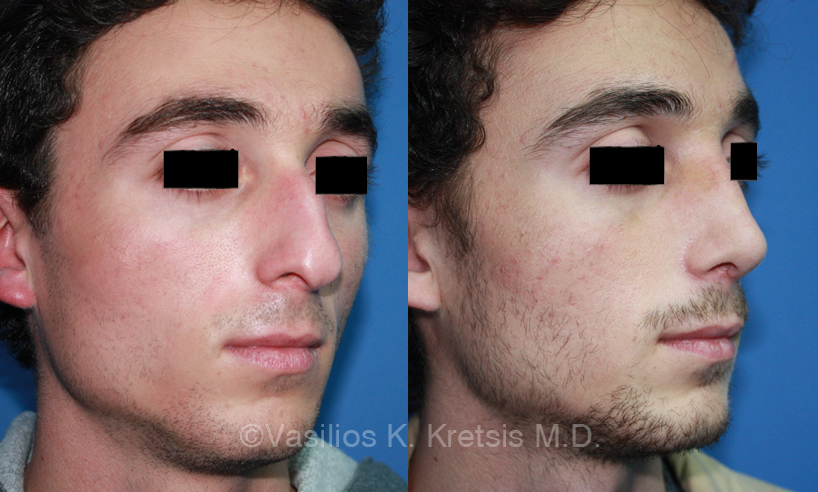
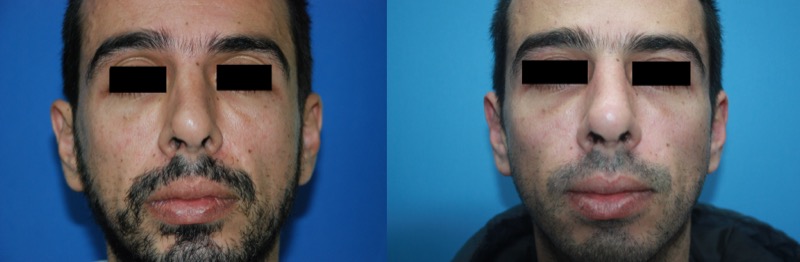
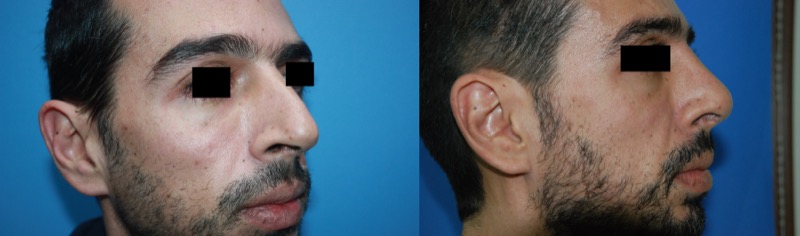
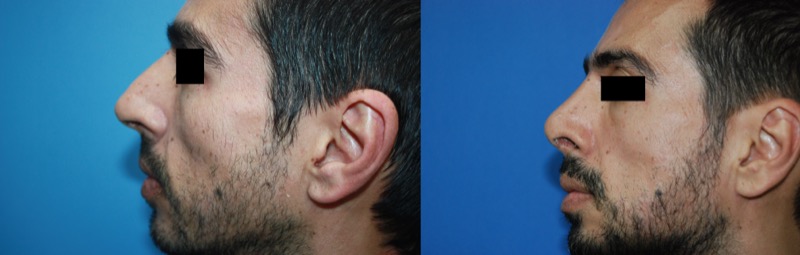
Before and After | Rhinoplasty
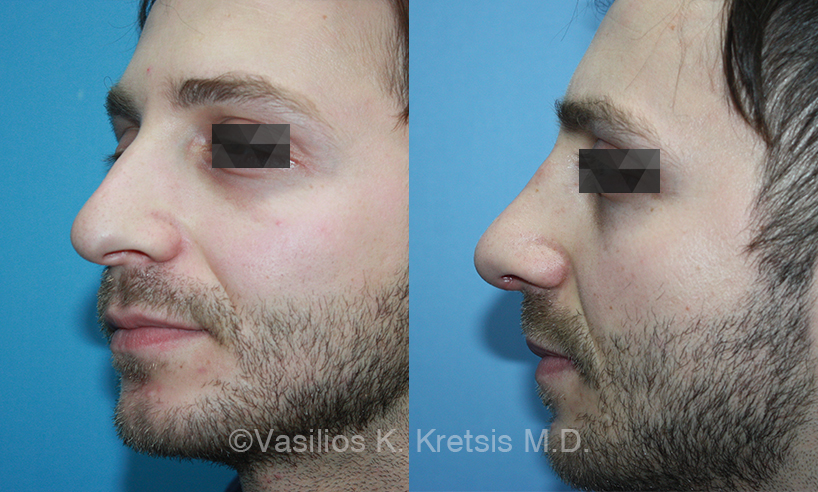
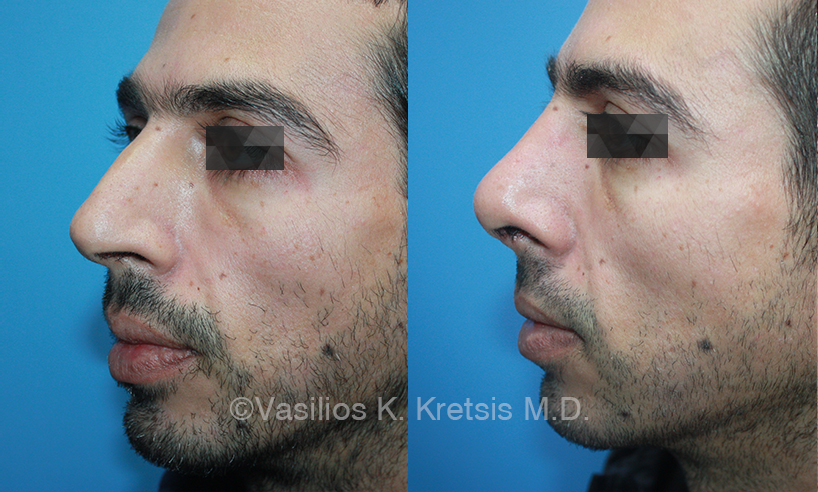
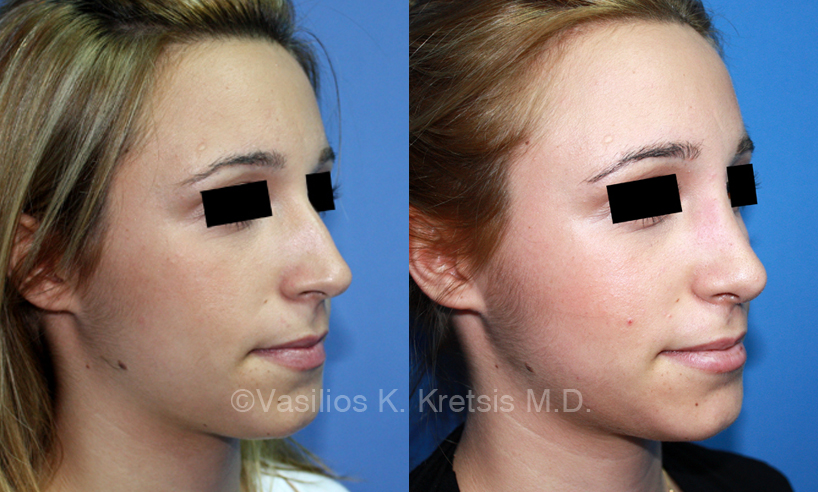
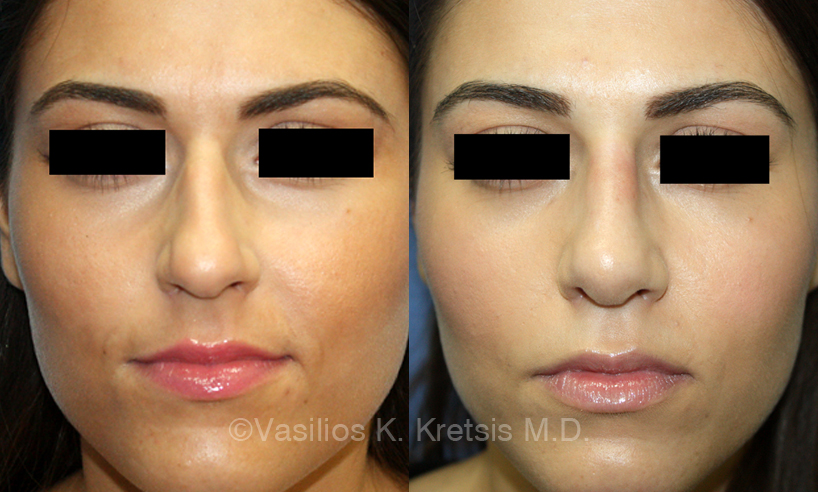
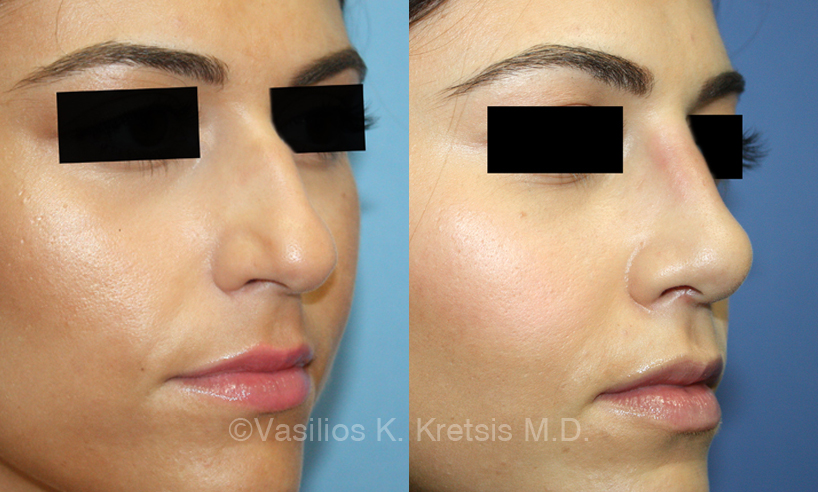
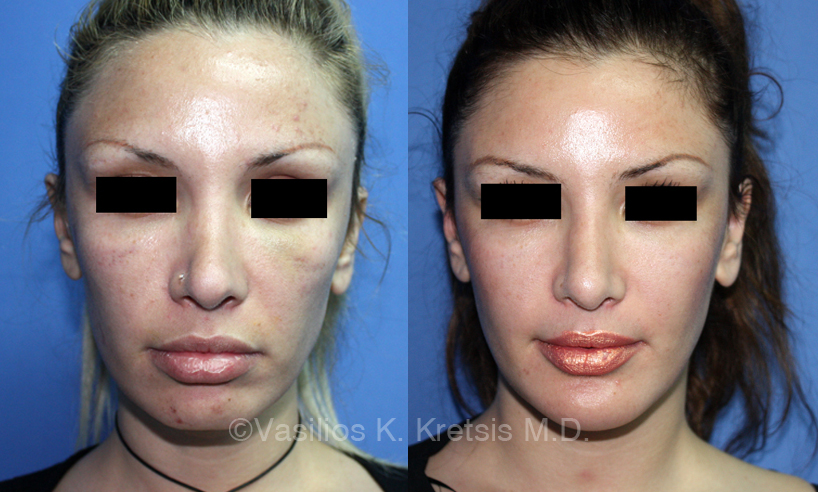
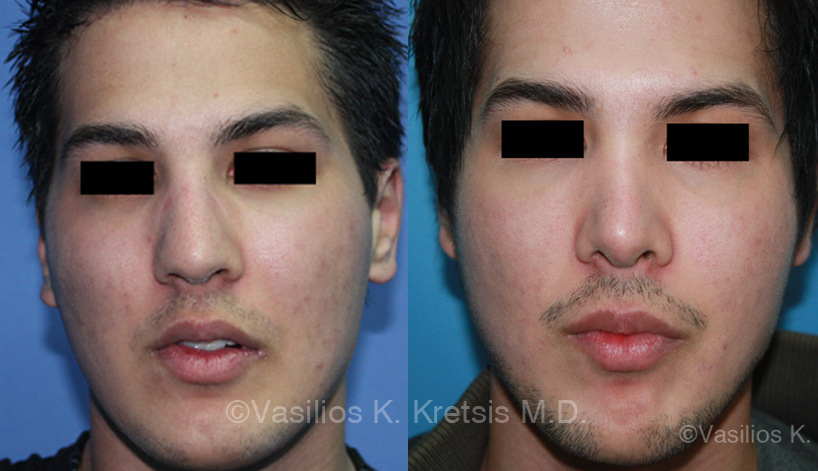
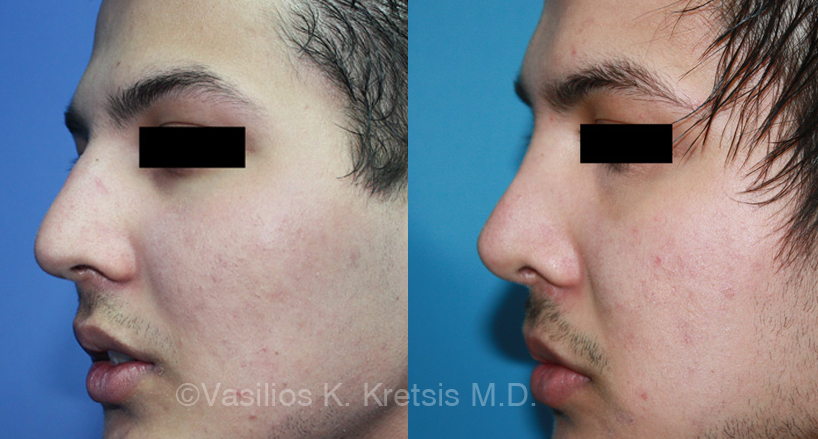
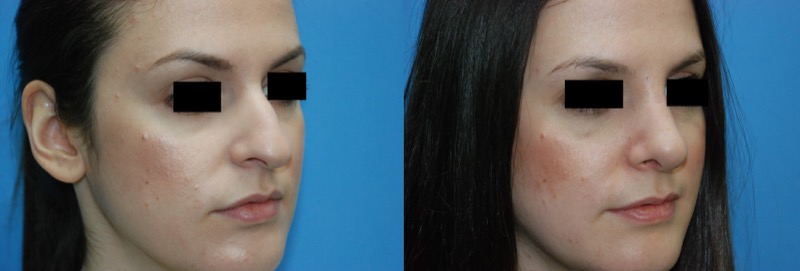
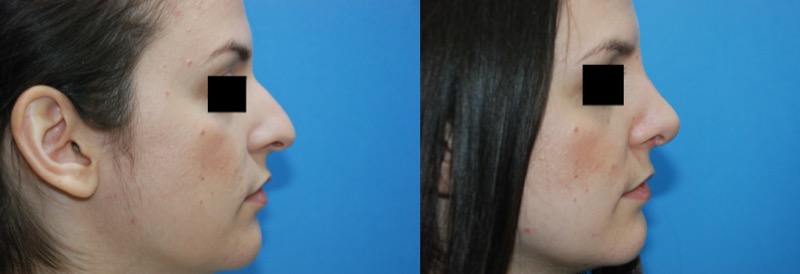

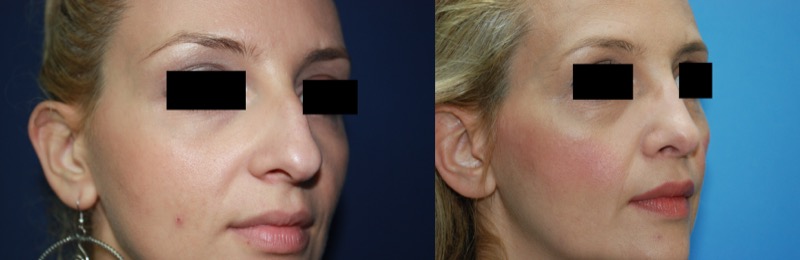
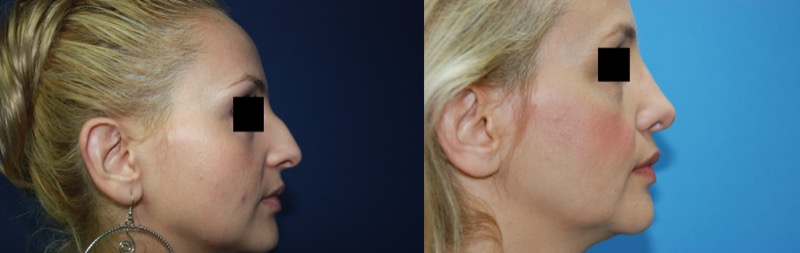
https://en.vk-plasticsurgery.com/procedures/face/rhinoplasty?print=1&tmpl=component#sigProId98896847b8